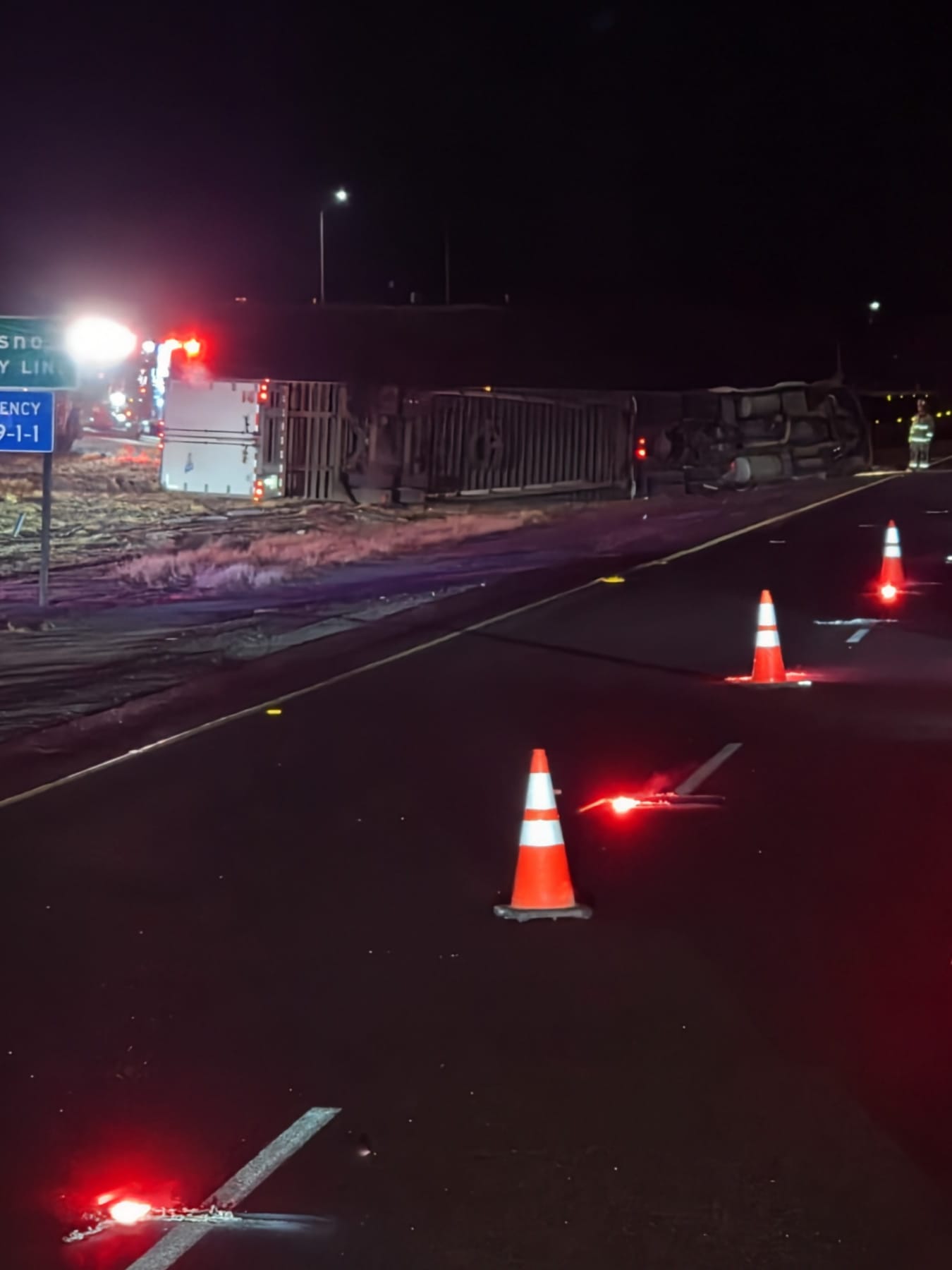
Look, the road throws curveballs at all of us. Breakdowns, blowouts, bad weather, or that sudden health issue—they happen whether you’re ready or not. After 25+ years driving, I’ve learned one thing for sure: preparation beats panic every time. At Mile 12 Warrior, we focus on *prevention over reaction*. Having the right gear, a simple plan, and the knowledge to use them can turn a bad situation into something you handle and move on from.
### Why This Stuff Matters
You can’t control everything out there, but you can control how you show up. A flat tire on the shoulder or getting stuck in a storm is stressful enough without scrambling for basics. Good prep keeps you safer, helps you get rolling again faster, and gives you peace of mind on those long hauls.
### Build Your Core Kits
Keep these in easy reach in the cab or sleeper. Check them every month—swap out expired stuff, test lights and batteries, and top off what you’ve used. We’ve got free printable checklists on the site for the main ones.
*Roadside Breakdown Kit*
• High-vis vest and triangles (or flares).
• Jumper cables, tow strap, basic tools (pliers, wrenches, screwdrivers, duct tape).
• Spare fuses and bulbs, tire gauge, and a small compressor or fix-a-flat.
• Flashlight with extra batteries.
• Fire extinguisher (the DOT kind).
• Chains or traction aids when the season calls for it.
*First Aid Kit*
Bandages, gauze, antiseptic, gloves, pain relievers, and your personal meds with a little extra. Add trauma shears or a basic guide for bigger stuff. Keep it simple but stocked.
*Survival Kit for When You’re Stuck*
• Water (a gallon or more per person) and non-perishable snacks like bars, nuts, or canned stuff.
• Warm blankets or sleeping bag, extra layers, gloves, hat, rain gear.
• Portable charger, hand-crank radio if you can.
• Multi-tool, whistle, small shovel for snow.
These aren’t fancy—they’re the practical things that make a difference when you’re hours from help.
### Quick Roadside Safety Steps
Print this and keep it handy:
1. Get fully off the road if you can.
2. Hit the hazards right away.
3. Put on that high-vis vest before you step out.
4. Set your triangles: 10, 100, 200 feet back.
5. Stay on the passenger side away from traffic.
6. Call dispatch, roadside, or 911.
7. Don’t mess with big repairs in the lane.
8. If it feels unsafe, get clear of the truck.
### Communication Basics & FMCSA Emergency Exemptions
Have an emergency contact card ready—dispatch, family, your doctor, important emergency medical information with a list of medications and your insurance card. Let someone know your route when you can.
Sometimes things get bigger than a single breakdown. Major disasters, storms, or widespread emergencies can trigger official *FMCSA emergency declarations*. These can provide temporary relief from certain regulations—like Hours of Service rules—so drivers helping with relief efforts can keep critical supplies moving.
*When Do These Exemptions Apply?*
• Usually when the President, a governor, or local officials declare an emergency.
• They cover drivers and carriers providing *direct assistance* to the relief effort (hauling food, medical supplies, fuel, etc. to affected areas).
• Relief often includes temporary waivers on HOS limits.
*Important Things to Remember*
• This isn’t a blanket pass for regular freight—it’s mainly for direct emergency support.
• Check the specific declaration for your area (what’s waived and for how long—often 14–30 days or until the emergency ends).
• Keep documentation in the cab: a copy of the declaration, your load details, and logs.
• Once the relief work is done, get back into standard HOS compliance (usually a 10-hour break before normal operations).
FMCSA has a hotline (1-877-831-2250) for questions during emergencies. Check fmcsa.dot.gov/emergency for active declarations. Your dispatcher or safety team should have the latest too.
### Seasonal Tips
Winter runs? Extra blankets, chains, and de-icer. Summer? More water and ways to stay cool. Mountain or remote routes? Lean heavier on the survival side. Check your state rules (like Caltrans chain controls in California) and adjust.
### Bottom Line
You’re already out there doing one of the toughest jobs. Taking a little time to get these kits together and knowing the basics isn’t extra work—it’s smart driving. Audit your stuff this week, grab the free checklists from the site, and build the habit. Small steps like this add up to safer miles and fewer headaches.
We put these together from real experience to help you master the miles and own your journey. Got questions or your own tips? Drop them in the comments or the forum—we’re all in this together.
*Stay safe out there.*
Join the free Mile 12 Warrior Newsletter for monthly practical tips, checklists, and driver stories. No fluff, just useful stuff straight to your inbox.